When someone is going through cancer treatment, the last thing they want is to feel like their skin is fighting them too. That’s exactly why searches for an oncology facial near me in Delray Beach, FL have been climbing, people want professional skincare that actually understands what their body is going through, not just a standard spa menu with a disclaimer slapped on it. There’s a real difference between a facial designed for someone in active treatment and one that simply avoids a few harsh ingredients. That difference matters enormously.
Your Skin During Treatment Is Playing by Completely Different Rules
Chemotherapy, radiation, and immunotherapy do more than target cancer cells. They alter the skin’s barrier function, shift moisture levels, and create a level of sensitivity that most estheticians, no matter how talented, aren’t trained to work with. Skin that was once oily can become paper-thin and reactive overnight. Products that felt soothing before treatment can suddenly cause burning or inflammation.
This is why the training behind a certified oncology esthetician is so specific. They learn to read the skin not just aesthetically but medically, understanding how different treatment protocols affect the integumentary system, how to time a session around a client’s treatment schedule, and which ingredients are genuinely safe versus which ones are simply marketed as “gentle.” If you’ve ever wondered whether a facial is even safe during chemothe honest answer is: it depends entirely on who’s doing it and what they know.
A properly trained oncology esthetician will ask about your current medications, your treatment phase, and how your skin has been responding before they ever touch your face. That intake process alone tells you whether you’re in the right hands.
What Makes a Certified Oncology Facial Different From a “Sensitive Skin” Treatment
There’s a common misconception that any gentle facial will do the job. It won’t. A sensitive skin facial is designed for reactive skin types, rosacea, eczema, environmental sensitivity. An oncology-specific treatment is designed for a body under systemic medical stress, and those are two very different things.
Certified oncology estheticians follow specific protocols developed in collaboration with oncology nurses and medical professionals. They avoid anything that could interfere with treatment, trigger lymphedema in clients with lymph node involvement, or stress an already-compromised immune system. They work with products that are fragrance-free, low-allergen, and pH-balanced for compromised skin, not just “natural” or “clean,” which are marketing terms without clinical meaning.
At Bella Reina Spa in Delray Beach, the approach to oncology facials and skincare treatments is built around this level of specificity. Clients who’ve come in during active treatment have described feeling genuinely cared for, not just pampered, which is a distinction that means a lot when you’re navigating something as exhausting as cancer care.

The Emotional Weight of Feeling Like Yourself Again
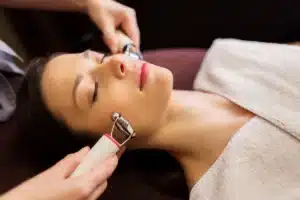
This part doesn’t get talked about enough. Cancer treatment strips people of a lot, energy, hair, sometimes confidence. Skin changes are visible and constant. They’re a daily reminder of what the body is going through. A facial designed with oncology in mind isn’t just about hydration or calming redness. It’s about giving someone an hour where they feel taken care of, where their comfort is the entire focus, and where they leave looking a little more like themselves.
People who’ve experienced this kind of treatment often describe it as one of the few things during their cancer journey that felt purely restorative. That’s not a small thing. Emotional wellbeing and physical recovery are connected, and creating space for someone to feel human again has real value.
It’s also worth thinking about timing. If you’re in active treatment, your skin’s tolerance can shift week to week depending on where you are in your cycle of care. Knowing when to schedule your facial relative to your treatment schedule is something a knowledgeable esthetician should walk you through before you book, not something you should have to figure out on your own.
How to Find the Right Provider, and What to Ask Before You Book
Not every spa that lists oncology facials on their menu has a certified oncology esthetician on staff. This is the first thing to verify. Ask directly: Is the person performing the treatment certified in oncology esthetics? Through which organization? How many clients in active treatment have they worked with?
You should also ask about their intake process. A provider who doesn’t ask about your current treatment protocol, medications, or whether you have any lymph node involvement before booking you is not operating at the standard you deserve. Good oncology skincare starts well before you lie down on the treatment table.
If you’re also dealing with skin changes related to hormonal shifts, which can overlap with certain cancer treatments, it’s worth knowing that specialized care exists for that too. Facials designed for menopause skin address some of the same concerns: thinning skin, dryness, and sensitivity that standard treatments aren’t built for.
South Florida has no shortage of spas, but finding one where the staff genuinely understands the medical context of your skin, not just its surface appearance, is what separates a good experience from one that could actually set you back. Do the research, ask the hard questions, and don’t settle for a provider who treats your situation as just another booking.
Frequently Asked Questions
Is it actually safe to get a facial while I’m still going through chemotherapy in Delray Beach?
It depends entirely on who is performing the treatment and what they know about your specific protocol, there’s no blanket yes or no answer. A certified oncology esthetician will ask about your current medications, your treatment phase, and how your skin has been responding before they schedule anything, and that intake process is how you know you’re in qualified hands. If a spa is willing to book you without asking those questions first, that’s a sign to look elsewhere.
What’s the difference between an oncology facial and a regular sensitive skin facial at a local spa?
A sensitive skin facial is built for reactive skin types like rosacea or eczema, it’s not designed for a body under systemic medical stress, which is a completely different situation. Oncology-specific treatments follow protocols developed with oncology nurses and medical professionals, and they specifically avoid anything that could trigger lymphedema in clients with lymph node involvement or further stress a compromised immune system. “Gentle” or “clean” on a product label doesn’t mean it’s appropriate for someone in active cancer treatment.
How do I know if the spa I’m calling actually has someone certified in oncology esthetics, or if they just added it to their menu?
Ask directly: Is the person performing the treatment certified in oncology esthetics, and through which organization? Also ask how many clients in active treatment they’ve actually worked with, because listing a service and having real experience with it are two different things. A provider who can’t answer those questions clearly isn’t operating at the standard someone in cancer treatment deserves.
When during my treatment cycle should I schedule a facial appointment?
Your skin’s tolerance can shift week to week depending on where you are in your treatment cycle, so timing matters more than most people realize. A knowledgeable esthetician should walk you through the scheduling question before you book, not leave you to figure it out on your own. This is one of the things that separates a provider with real oncology training from one who is simply offering a softer version of a standard facial.
My skin was oily before treatment but now it’s dry and burns easily, will the products used at Bella Reina Spa work for that kind of change?
That kind of shift, oily skin turning paper-thin and reactive, is a direct result of how chemotherapy and radiation alter the skin’s barrier function and moisture levels, and it’s exactly what oncology-trained estheticians are prepared for. The products used in an oncology facial are fragrance-free, low-allergen, and pH-balanced for compromised skin, not just marketed as natural or clean. The goal is to work with what your skin actually is right now, not what it was before treatment started.