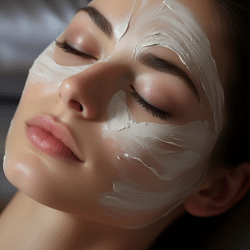
Facing cancer treatment is a journey filled with many changes, especially for your skin. Skin changes during treatment can be unexpected and may impact how you feel about your appearance. For many, skincare is an essential part of maintaining a sense of self.
So, what about facials? The short answer is that many patients can receive a facial during chemotherapy, but it must be the right type and performed under the right conditions. Your skin may feel drier and more sensitive than usual, which is entirely normal given the treatments you are undergoing.
This guide aims to help you understand what is safe, what to avoid, and how to discuss your options with your care team. It’s important to feel like yourself, and caring for your skin can be a meaningful part of this journey. We will explore the reasons behind skin changes, what a gentle facial entails, and why specialized oncology knowledge is crucial.
Key Takeaways
- Skin changes during cancer treatment are common and can affect your appearance.
- Many patients can receive facials, but the type and conditions matter.
- Understanding your skin’s needs is vital for safety and comfort.
- Discussing skincare options with your care team is essential.
- Feeling like yourself is important, and skincare can help maintain that identity.
Honest Answer: Can You Get a Facial During Chemo?
Navigating cancer treatment may lead to surprising changes in your skin’s texture and appearance. For many patients, these changes can feel overwhelming. However, the honest answer is that yes, many people can receive a facial during chemotherapy. It’s essential to understand that not just any facial will do.
Your body is going through an intense journey, and your skin barrier is more fragile than ever. This means the approach to skincare must be gentle and tailored specifically for your needs. A facial that is safe during chemotherapy focuses on gentle cleansing, hydration, and calming touch. It avoids aggressive treatments like exfoliation or extraction, which could further irritate sensitive skin.
Before booking any facial, it’s crucial to check with your care team. Only your oncologist and nurses know your specific blood counts, immune status, and whether your skin is ready for professional touch. They can also inform you of any reasons to wait, such as low white blood cell counts, open skin, recent surgery, or active infection.
Even if you feel fine, your body may be more vulnerable than you realize. Therefore, discussing your skincare options with your medical team is not optional; it’s essential for your safety and well-being. Some weeks during a chemotherapy cycle may be better than others for receiving a facial, and your oncology team can help you time it safely.
The goal of a facial during cancer treatment is not transformation. Instead, it aims to provide comfort, relief from dryness, and a rare moment of calm amidst the chaos of treatment. You should never feel pressured to push past what your body can handle. A qualified provider will respect your boundaries completely.
The right facial can help you feel more like yourself, but only when it is performed with full awareness of your medical reality. Remember, your skincare journey is just as important as your treatment journey.
Why Skin Changes Occur During Cancer Treatment
The journey through cancer therapy often alters your skin in surprising ways. A complexion that once felt balanced can suddenly become dry, reactive, tender, or easily flushed. Understanding these changes is crucial for your skincare journey.
Common Skin Changes: Dryness, Sensitivity, and Redness
Your skin is changing because of the treatment itself, not because your skincare routine failed. Treatment can leave skin thinner, drier, and more sensitive than usual. It is a common, normal part of what your body is going through right now.
Sensitivity increases as the skin barrier becomes thinner. This makes it less able to protect itself from irritants that never bothered you before. You might notice redness as blood vessels near the surface of the skin become more visible and reactive when the skin is compromised.
How Chemotherapy and Radiation Affect Skin Cells
As your skin undergoes these changes, you may also see under-eye circles, dullness, or a sallow complexion. These changes often have nothing to do with how much you are sleeping or what you are eating.
Radiation can make skin in the treated area especially delicate, sometimes resembling a sunburn. This area needs the gentlest possible handling. The emotional impact of these changes is real and valid. Understanding why your skin behaves differently can help you be more patient with yourself.
The good news is that the right approach can help your skin feel more comfortable, even if it cannot reverse the underlying effects of treatment. It’s important to be intentional about what you put on your skin during this time.
The Gentle Facial Instead: Safe and Soothing Care
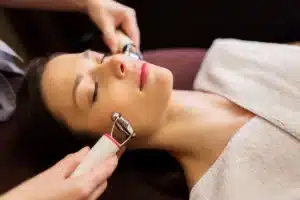
As you navigate through cancer treatments, your skin’s needs evolve in unexpected ways. A gentle facial is designed to meet these needs with care and attention. The approach focuses on three key steps: cleansing, hydrating, and calming the skin with the lightest possible touch.
Steps: Cleanse, Hydrate, Calm with Light Touch
A safe facial during chemotherapy is built around these simple yet effective steps:
- Gentle Cleansing: Start with a mild, fragrance-free cleanser. This removes impurities without stripping away your skin’s natural moisture.
- Deep Hydration: Next, apply products that support the skin barrier. Choose ingredients that are known for their tolerance rather than their trendiness.
- Calming the Skin: Finally, use slow, gentle movements to apply products. This avoids pulling or tugging on the skin, ensuring comfort.
Minimalism matters in oncology skin care. Your skin is not in a place to process a dozen different active ingredients. It needs simplicity and consistency. Fewer steps do not mean less care; instead, every product and movement is intentional and chosen with your safety in mind.
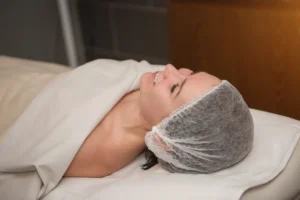
The experience should feel serene and restorative, not like a medical procedure. The right provider will adjust pressure, temperature, and product choice based on your specific needs that day. Remember, this kind of facial is not about chasing results; it is about giving your skin and your nervous system a moment of relief.
Recommended Products for Fragile Skin: Skin Diva Labs by Nancy Reagan
Your skin’s needs change dramatically during cancer treatments, making it essential to choose the right products. Skin Diva Labs, founded by Nancy Reagan, offers a range of clean, non-toxic, and fragrance-free formulations specifically designed for fragile skin.
These products focus on supporting the skin barrier while avoiding harsh irritants. When navigating cancer treatment, the right skincare products can help you feel more like yourself.
Clean, Non-Toxic, and Fragrance-Free Formulations
The formulations at Skin Diva Labs are built with the needs of cancer patients in mind. They are:
- Clean: No parabens, sulfates, or synthetic fragrances.
- Non-toxic: Every ingredient is chosen to be gentle on sensitive, reactive skin.Each ingredient is chosen for its safety, considering that your skin is more permeable during treatment.
- Fragrance-free: Essential to avoid irritation, as fragrance can trigger stinging and redness.
Popular Skin Diva Labs Products Used Across Facials: Bella Glow-Up, Bella Royale, Classic
Skin Diva Labs is not a special request here, it is the standard. We use it across many of our facials, including the Bella Glow-Up, the Bella Royale, and even the Classic. Whichever facial is right for you on a given day, the products going on your skin are chosen to be gentle.
Made for Fragile Skin Including Cancer Patients
These products are gentle and simple, made for skin that cannot tolerate experimentation. Nancy Reagan created the line to fill a gap for clean, fragrance-free skincare that is kind to fragile skin.
The right gentle products can help your skin feel more comfortable and help you feel a little more like yourself, even when facing something hard.
Why Oncology Training Matters for Safe Facial Treatments
Your skin can undergo notable transformations during cancer therapies, which require specialized care and knowledge. This is where oncology training plays a crucial role. Estheticians trained in oncology understand the unique challenges that cancer patients face, especially regarding skin sensitivity and overall health.
These professionals do not simply offer a gentler version of a standard facial. Instead, they begin with a detailed health intake, focusing on:
- Understanding Contraindications: A trained provider recognizes specific reasons a treatment might be unsafe for someone undergoing chemotherapy or radiation.
- Sanitation Protocols: Following strict sanitation standards is vital. Providers ensure that all instruments are sterilized and that surfaces are disinfected between clients.
- Care Adjustments: Adjustments may include changing your position on the treatment table, avoiding sensitive areas, and using cooler water temperatures.
- We offer oncology facials designed to be safe during and after treatment.
Understanding Contraindications and Skin Sensitivities
Knowledge of contraindications is essential. For example, a port, recent surgery, or low blood counts can significantly alter how a facial should be performed. A qualified esthetician will ask detailed questions about your diagnosis, treatment timeline, and any side effects you may be experiencing before beginning any treatment.
Sanitation Protocols and Care Adjustments
Sanitation protocols become even more critical when working with immunosuppressed clients. A trained provider adheres to medical-grade cleaning standards, ensuring:
- Instruments are sterilized in an autoclave after each use.
- Disposable items are never reused.
- Every surface the client touches is disinfected between appointments.
The Importance of Provider Expertise and Specialized Knowledge
Having specialized knowledge means knowing when to say no. Sometimes, the safest option is to recommend waiting until your body is more prepared for treatment. Always check with your care team before booking any facial treatments. A qualified oncology-trained esthetician will encourage this conversation rather than skip past it.
The difference between a standard facial and an oncology-safe facial lies not just in the products used but in the depth of knowledge guiding every decision made during your time on the table. This expertise ensures your experience is both safe and comforting, allowing you to focus on feeling your best.
What to Expect at Bella Reina for Oncology-Safe Facials
Understanding your skin’s evolving needs during cancer treatment is essential for a positive experience. At Bella Reina, we prioritize your comfort and safety with our oncology-safe facials. Each treatment is designed to address the unique challenges you face while navigating cancer therapies.
Personalized Consultation and Health Intake
Your experience at Bella Reina begins with a personalized consultation that goes deeper than a standard intake form. Your medical history is not just paperwork; it is the foundation of your safety. Your esthetician will ask about your diagnosis, treatment timeline, any surgeries, ports, radiation sites, medications, and how your skin has been feeling and reacting lately.
This conversation is handled with warmth and respect, ensuring you never feel like a checklist. You are a whole person navigating something deeply personal.
Customized Treatment Approach Focused on Comfort and Safety
The treatment approach is customized every single time. Your skin may feel different from one week to the next, depending on where you are in your treatment cycle. Comfort and safety drive every decision, from the temperature of the treatment table to the pressure of each touch and the selection of every product applied to your skin.
Environment, Atmosphere, and Patient-Centered Experience
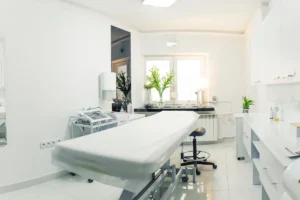
The environment at Bella Reina is designed to feel calm, private, and unhurried. This gives you a rare space where you can simply breathe and be cared for. The atmosphere is patient-centered, meaning your energy level, emotional state, and physical comfort are prioritized over any rigid treatment protocol.
Learn More About Our Oncology Facials and Book Your Appointment
Nancy Reagan, a biological aesthetician, founded this approach on the belief that women facing cancer should have skincare that is gentle, clean, and deeply compassionate. You can learn more about oncology facials and book your appointment by visiting here.
Walking into Bella Reina means entering a space where your safety is never compromised and your comfort is never an afterthought.
Conclusion
During cancer treatment, your skin can feel like a stranger, with changes that may unsettle you. Caring for your skin is not vanity; it’s a way to stay connected to yourself when so much feels out of your control. The most important takeaway is to always check with your care team before booking any facial treatments. Your safety depends on their insights into your health.
Gentle, oncology-informed care is available and can provide comfort without risking your health. The right facial is not about dramatic transformation; it’s about soothing dryness and offering a moment of calm. Nancy Reagan, a biological aesthetician, believes that women with fragile skin need gentler options than harsh ingredients.
Remember, you need a provider who listens to your needs and respects your medical reality. If your skin has changed, the right treatment is one that prioritizes your comfort. To learn more and book your appointment, visit bellareinaspa.com. Caring for your skin during this time is about giving yourself permission to receive gentle care.