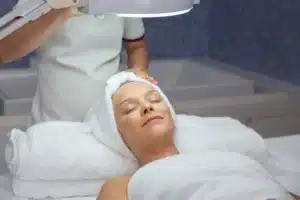
When someone is going through cancer treatment, the last thing most people think about is skincare, but it probably should be higher on the list. Oncology facials in Delray Beach, FL are specifically designed for people whose skin has been compromised by chemotherapy, radiation, immunotherapy, or hormone therapy. The skin changes that come with these treatments are real, they’re significant, and they deserve thoughtful, specialized care. This isn’t a luxury conversation. For many patients, it’s about comfort, dignity, and feeling like themselves again.
What Cancer Treatment Actually Does to Your Skin
Most people know that chemotherapy causes hair loss. Far fewer people talk about what it does to the skin. Chemo and radiation can strip the skin’s natural barrier, leaving it dry, fragile, hypersensitive, and prone to rashes and irritation. Hormone therapies, especially those used in breast cancer treatment, can trigger sudden breakouts or extreme dryness that feels impossible to manage. Radiation sites often develop redness, peeling, and a texture that standard skincare products can make worse, not better.
The problem is that most estheticians aren’t trained to work with these conditions. A standard facial that’s perfectly safe for a healthy client can cause real harm to someone in active treatment or recovery. Pressure that’s too firm, ingredients that are too active, or steam that’s too hot can all create serious reactions. That’s why the training behind a cancer-conscious facial matters enormously, it’s not just a gentler version of a regular treatment. It’s a completely different approach built on a completely different knowledge base.
If you’re wondering whether it’s even safe to get a facial during treatment, that’s a fair and important question. This breakdown on what’s safe and what to skip during chemo is a genuinely useful starting point before booking anything.
The Difference Between “Gentle” and Actually Trained
Here’s something worth saying plainly: a spa advertising “gentle facials” is not the same as a spa with oncology-trained estheticians. The difference is significant. An esthetician certified in oncology skincare has studied how cancer treatments affect the skin at a physiological level. They understand contraindications, meaning they know which ingredients, tools, and techniques are off-limits depending on where a client is in their treatment journey. They know how to read medical history intake forms and ask the right questions. They know when to adjust mid-treatment if something isn’t sitting right.
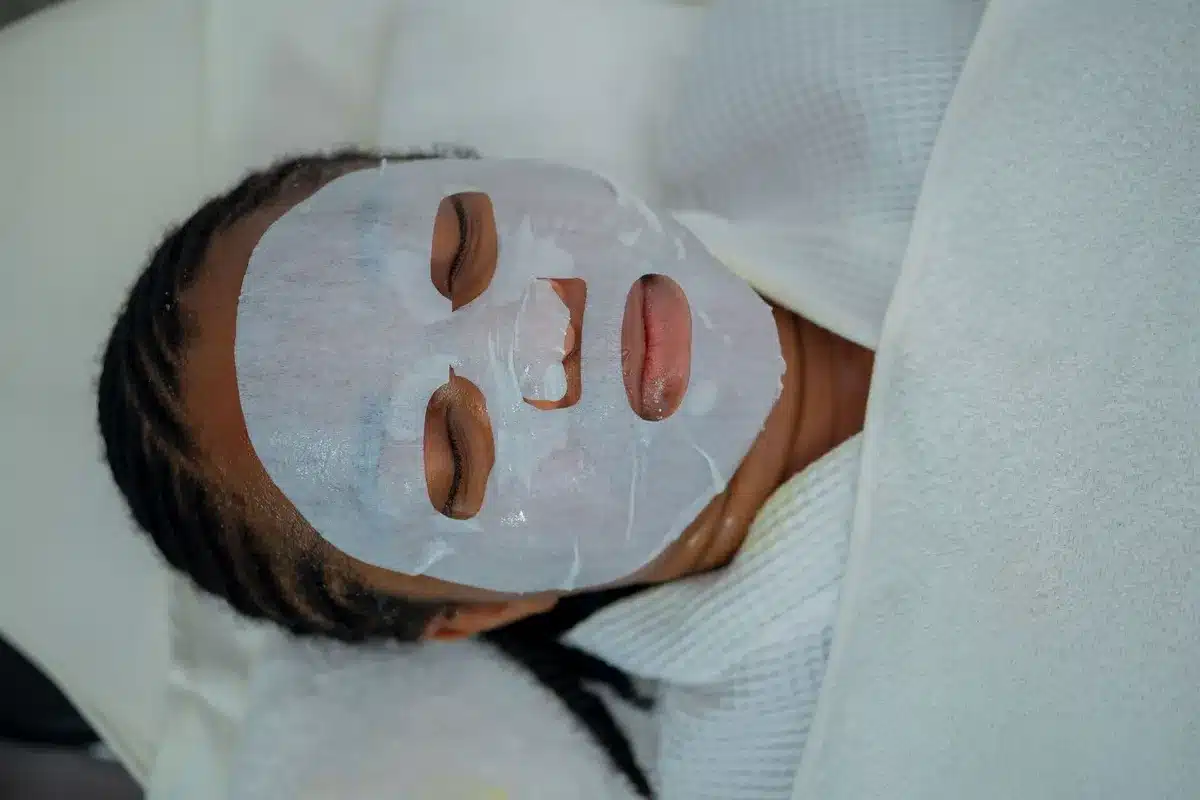
At Bella Reina Spa in Delray Beach, the approach to oncology skincare and treatments is built on exactly this kind of specialized training. Clients who’ve come in during or after treatment consistently describe feeling genuinely cared for, not just accommodated. That distinction matters more than it might sound. When your body has been through something as demanding as cancer treatment, being in the hands of someone who truly understands your skin’s current state is a different experience entirely.
The products used in these treatments are also carefully chosen. Fragrance-free, non-irritating, and formulated without ingredients that can trigger reactions in compromised skin. Nothing aggressive. Nothing that disrupts what the skin is trying to do on its own, which is heal.
When to Start Thinking About Skin Support
One of the most common questions is about timing. Many people assume they need to wait until treatment is completely finished before doing anything for their skin. That’s not always the case. Depending on the type of treatment, where someone is in their protocol, and what their oncologist recommends, some forms of gentle skin support can begin during active treatment. Others are best reserved for the recovery phase.
For people dealing with sensitive or reactive skin, whether from cancer treatment or other causes, understanding what your skin can actually tolerate is the foundation of everything. This guide on the best facials for sensitive skin covers some useful ground on how to approach treatment when the skin barrier is compromised.
The honest answer is that the right timing depends entirely on the individual. A good oncology-trained esthetician will work in coordination with your medical team, not around them. They’ll ask about your current medications, your treatment schedule, and any skin reactions you’ve already noticed. That conversation happens before anything touches your face.
Why This Kind of Care Matters Beyond the Physical
Skin changes during cancer treatment aren’t just a physical issue. For many people, they’re deeply tied to identity and self-image. Losing hair is visible and often discussed. But the dullness, the dryness, the breakouts, the texture changes, those are quieter losses that still affect how someone feels when they look in the mirror.
Having a treatment that’s designed specifically for where your skin is right now, not where it was before treatment, not where it might be in six months, gives people something concrete and positive to focus on. Clients who’ve experienced this kind of care often describe it as one of the first times during treatment that they felt genuinely nurtured rather than just managed.
That’s not a small thing. Feeling comfortable in your skin, even temporarily, even incrementally, has real value during one of the hardest periods of a person’s life. Specialized skin support during cancer treatment isn’t indulgent. For the people who need it, it’s a meaningful part of taking care of themselves, and that’s worth taking seriously.
Frequently Asked Questions
Can I get a facial at Bella Reina Spa while I’m still in active chemotherapy, or do I have to wait until I’m done with treatment?
It depends on the type of treatment you’re receiving, where you are in your protocol, and what your oncologist recommends, there’s no single answer that applies to everyone. Some forms of gentle skin support can begin during active treatment, while others are better saved for the recovery phase. A trained esthetician at Bella Reina will ask about your current medications and treatment schedule before anything is decided, and they work alongside your medical team rather than around them.
How is a facial from an oncology-trained esthetician actually different from a regular “gentle” facial at a standard spa?
The difference goes well beyond using softer products or lighter pressure. An oncology-trained esthetician has studied how cancer treatments affect the skin at a physiological level, which means they understand specific contraindications, ingredients, tools, and techniques that are off-limits depending on where someone is in their treatment. A standard facial that’s completely safe for a healthy client can cause real harm to someone in active treatment, so this is genuinely a different knowledge base, not just a toned-down version of a regular service.
What specific skin problems from cancer treatment are these facials actually designed to address?
Chemotherapy and radiation can strip the skin’s natural barrier, leaving it dry, fragile, hypersensitive, and prone to rashes and irritation. Hormone therapies, particularly those used in breast cancer treatment, can trigger sudden breakouts or extreme dryness that standard products often make worse. Radiation sites can develop redness, peeling, and texture changes that require a completely different approach than typical skincare.
What kinds of products are used during these treatments, and are there ingredients I should know are off the table?
The products used are fragrance-free, non-irritating, and specifically chosen to avoid ingredients that can trigger reactions in skin that’s already compromised. Nothing aggressive is used, the goal is to support what the skin is already trying to do on its own, which is heal. If you’ve already noticed specific reactions from products during your treatment, that’s exactly the kind of information to bring up during the intake conversation before your appointment.
My oncologist hasn’t mentioned skincare at all, is this something I need to clear with them before booking an appointment at Bella Reina?
It’s worth having that conversation, yes, a good oncology-trained esthetician will want to know your treatment schedule and current medications before your first appointment anyway. The intake process at Bella Reina is built around gathering that medical history and asking the right questions, not skipping past them. Your medical team doesn’t need to refer you, but working in coordination with them rather than independently is part of how this kind of care is done responsibly.
Get Directions to Bella Reina Spa
🎧 Listen to this as a podcast
Also on Apple Podcasts, Spotify, and Amazon Music.