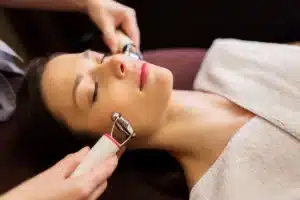
Walking into a facial spa in Delray Beach, FL for the first time can feel a little overwhelming, especially when you’re staring at a menu full of options you’ve never heard of. Microcurrent? Dermaplaning? Medical-grade peels? If you’ve been putting off booking that first appointment because you didn’t know what you were getting into, this is for you. Here’s an honest look at what actually happens, what to ask, and how to make sure you leave with glowing skin instead of just a lighter wallet.
The Consultation Is the Most Important Part, Don’t Skip It
A lot of first-timers assume they’ll walk in, lie down, and get a facial. That’s not how it works at a quality skin clinic, and it shouldn’t be. Before any treatment begins, a skilled esthetician will sit down with you and look at your skin. Not just glance at it. Really look at it.
They’ll ask about your skincare routine, any sensitivities or allergies, whether you’ve had recent sun exposure, and what your skin goals are. This matters more than most people realize. What works beautifully for someone with oily, acne-prone skin can cause a serious reaction on someone with rosacea. A good consultation protects you and sets the whole treatment up for success.
If you’re unsure what to ask during that first conversation, it’s worth reading through key questions to ask before choosing a skin treatmentit gives you a solid framework so you walk in prepared rather than guessing.
The Treatment Room Is Not as Intimidating as You Think
Once you’re settled in and your esthetician has a clear picture of your skin, the actual treatment begins. Most standard facials follow a familiar rhythm: cleanse, exfoliate, extract (if needed), treat, and protect. But the tools and products used in between those steps are where the real differences show up.
At a med spa, you’ll often have access to treatments that go well beyond what you’d find at a basic day spa. Medical-grade facials use professional-strength ingredients and technology, things like high-frequency devices, ultrasound, or clinical-grade acids, that produce results you genuinely can’t replicate at home. That’s not a sales pitch; it’s just the reality of what professional-grade equipment can do.
First-timers are sometimes surprised by how relaxing the experience is, even when extractions are involved. A skilled esthetician makes the process comfortable. Many clients who were initially nervous about extractions or peels walk out wondering why they waited so long to book.
One thing worth knowing: your skin might look a little red or flushed immediately after, especially if extractions were done or a stronger treatment was used. That’s completely normal. Most of that settles within a few hours, and what’s underneath is noticeably cleaner and brighter.

Not Every Facial Is Built the Same, And That’s a Good Thing
One of the biggest misconceptions first-timers carry is that a facial is just a facial. It isn’t. The range of options available at a reputable skin clinic is genuinely wide, and the right choice depends entirely on your skin type, your concerns, and your goals.
Someone dealing with dullness and uneven texture might benefit most from dermaplaningwhich removes dead skin cells and fine vellus hair to reveal a smoother surface underneath. Someone showing early signs of aging might be a better candidate for a microcurrent facialwhich works by stimulating facial muscles to lift and firm over time. If you have sensitive skin, the approach changes again entirely, you can find a helpful breakdown of what works best in that case at this guide to facials for sensitive skin.
Bella Reina Spa in Delray Beach takes this seriously. The team there doesn’t push a one-size-fits-all menu, they match the treatment to the person. That kind of personalized approach is what separates a genuinely good skin clinic from one that’s just going through the motions. Clients consistently mention leaving with a clear understanding of what their skin actually needs, not just what was available on the menu that day.
What You Do After the Appointment Matters Just as Much
Here’s something most people don’t think about until it’s too late: your post-facial behavior has a real impact on your results. The 24-48 hours after a treatment are when your skin is most receptive, and most vulnerable.
Skip the heavy makeup if you can. Avoid direct sun exposure without SPF. Don’t hit the gym right after a peel or extraction session, the heat and sweat can irritate freshly treated skin. And hold off on any harsh at-home exfoliants for a few days. Your esthetician will walk you through specific aftercare instructions based on what was done, and it’s worth actually following them.
You’ll also want to think about frequency. A single facial can do a lot, but consistent treatments over time are where the real transformation happens. Most estheticians recommend monthly visits as a baseline, though that can shift depending on your skin’s needs and what treatments you’re doing. If you’re curious about building a longer-term routine, exploring the full spa menu is a good place to start, it gives you a clear picture of what’s available and how different treatments can work together.
Your first visit to a skin clinic doesn’t have to feel like a mystery. Go in with a few questions ready, be honest about your skin history, and trust the process. The results tend to speak for themselves.
Frequently Asked Questions
How long does the consultation actually take before the treatment starts?
The article doesn’t give a set time, but the consultation is treated as a full step, not a quick check-in, where the esthetician looks closely at your skin and asks about your routine, sensitivities, recent sun exposure, and what you’re hoping to fix. Coming in prepared with answers to those questions saves time and helps the esthetician match the right treatment to your actual skin, not just whatever’s popular on the menu that day. If you want to walk in ready, the article points to a list of key questions worth reviewing before your appointment.
Will my face look red or broken out right after the appointment?
Some redness and flushing right after is completely normal, especially if extractions were done or a stronger treatment was used, the article is clear about that. Most of it settles within a few hours, and what’s left underneath is noticeably cleaner and brighter skin. It’s not a sign something went wrong; it’s just how freshly treated skin looks before it calms down.
Can I go to the gym or apply makeup on the same day as my appointment?
The article specifically says to skip heavy makeup and avoid the gym after a peel or extraction session, because heat and sweat can irritate skin that’s just been treated. You should also hold off on any harsh at-home exfoliants for a few days after the appointment. Your esthetician will give you specific aftercare instructions based on exactly what was done, and following them actually affects your results.
How do I know whether dermaplaning or a microcurrent treatment is the right choice for me?
According to the article, dermaplaning is better suited for dullness and uneven texture, since it removes dead skin cells and fine vellus hair to smooth the surface. Microcurrent is aimed more at early signs of aging, working by stimulating facial muscles to lift and firm over time. The honest answer is that neither is a universal pick, it depends on your skin type and goals, which is exactly what the consultation is designed to sort out.
How often should I be coming in to actually see a difference?
The article says most estheticians recommend monthly visits as a baseline, though that can shift depending on your skin and the treatments you’re doing. One appointment can do a lot, but consistent treatments over time are where real, lasting change happens, a single visit won’t show you what a regular routine can. If you’re thinking longer term, looking through the full treatment menu helps you understand how different options can work together rather than just picking one thing at random.
Get Directions to Bella Reina Spa
🎧 Listen to this as a podcast
Also on Apple Podcasts, Spotify, and Amazon Music.