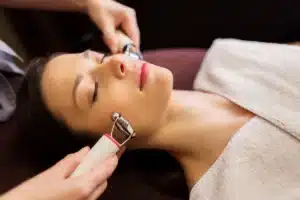
If you’ve been researching exosome microneedling in Delray Beach, FLyou’ve probably noticed that this treatment is getting a lot of attention, and for good reason. It’s one of the more significant advances in skin rejuvenation to come along in years, combining the controlled micro-injury of traditional needling with the regenerative power of exosomes, which are tiny cell-signaling molecules that tell your skin to repair itself faster and more effectively. Before you book your appointment, though, there are a few things worth understanding so you walk in prepared and walk out with realistic, well-managed expectations.
Exosomes Aren’t Just a Fancy Add-On, Here’s Why They Change Everything
Standard microneedling works by creating microscopic channels in the skin, triggering a wound-healing response that produces collagen and elastin. It’s effective. But when you pair that process with exosomes, you’re essentially giving your skin a detailed instruction manual on how to heal, not just a nudge in the right direction.
Exosomes are derived from stem cells and carry growth factors, proteins, and genetic information that communicate directly with your skin cells. When applied immediately after needling, while those microchannels are still open, the absorption is dramatically deeper than anything you’d get from a topical serum. Think of it less like putting a cream on your face and more like delivering a targeted message straight to the cells that do the actual rebuilding.
This is why people who’ve tried both standard needling and this upgraded version often describe noticeably different results: faster healing, less redness, and more visible improvement in skin texture and tone over time. If you want a deeper look at what traditional microneedling involves before layering in this newer technology, this breakdown of microneedling facials is a solid starting point.
Your Skin’s Condition Going In Matters More Than You Think
One of the biggest mistakes people make before this kind of treatment is showing up without preparing their skin properly. Sun exposure is the most common issue in South Florida, and it’s a real one. Coming in with a fresh tan or active sunburn will likely mean your appointment gets rescheduled. Inflamed skin doesn’t respond well to needling, and pushing through it can lead to uneven results or unnecessary irritation.
A few things to avoid in the week leading up to your session:
- Retinoids and exfoliating acids, these thin the skin barrier and increase sensitivity
- Blood-thinning supplements like fish oil and vitamin E in high doses
- Waxing or any aggressive exfoliation in the treatment area
- Extended sun exposure without strong SPF protection
Your provider should do a thorough skin assessment before starting. If they don’t ask about your current skincare routine, medications, or recent treatments, that’s a flag. A good esthetician or clinician will want the full picture before putting a needling device anywhere near your face. At Bella Reina Spa in Delray Beach, the approach to skin treatments starts with understanding your skin’s actual story, not just what you want to fix.
The Recovery Window Is Shorter Than You’d Expect, But Don’t Ignore It
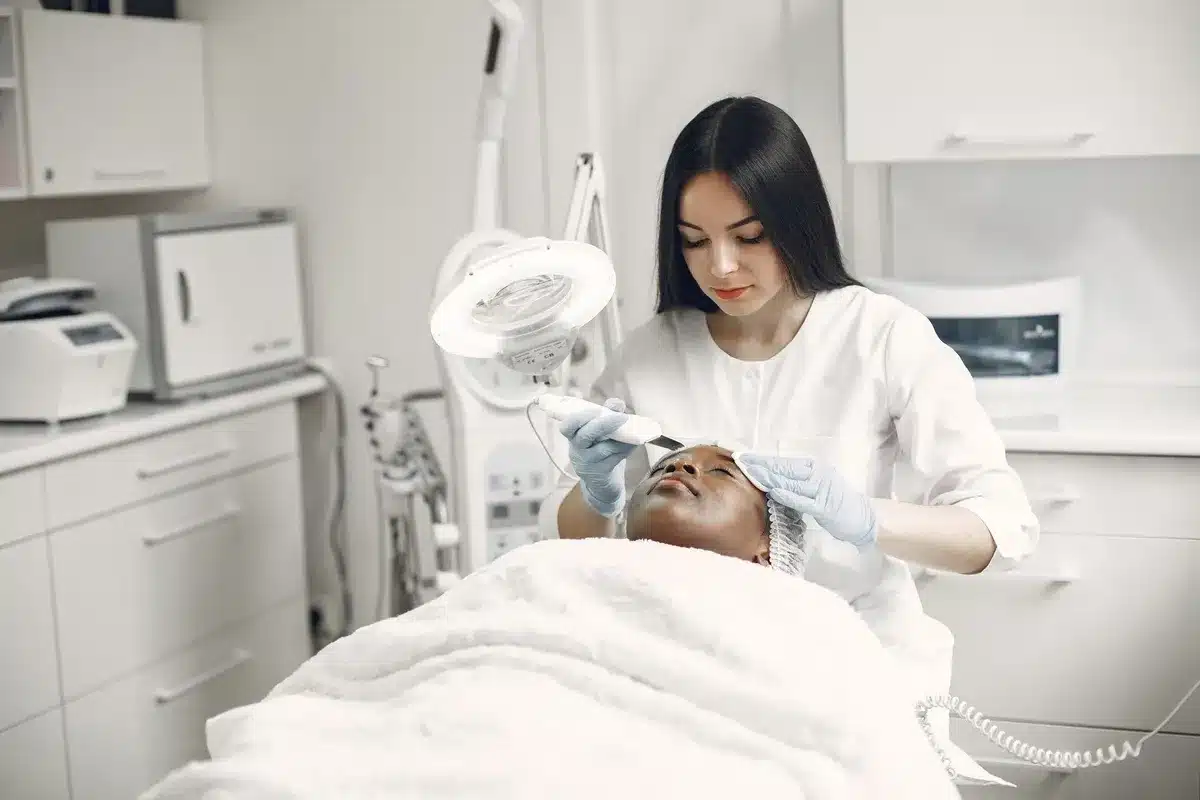
One of the reasons this treatment has become popular is that the downtime is relatively manageable compared to more aggressive procedures. Most people experience redness and mild swelling for 24 to 48 hours, sometimes a bit of tightness or flaking as the skin turns over in the days that follow. With exosomes in the mix, many clients report that the recovery feels noticeably calmer than standard needling alone, less inflammation, faster return to normal.
That said, “shorter recovery” doesn’t mean “no recovery.” The 24 hours immediately after your session are critical. Keep the skin clean, skip the makeup, and stay out of the sun. Don’t apply active ingredients, no vitamin C serums, no retinol, nothing with fragrance. Your skin is in repair mode, and the best thing you can do is get out of the way and let it work.
Hydration matters a lot during this window, both topically and internally. Drink more water than you think you need. Use a gentle, unfragranced moisturizer if your provider clears it. And plan your session timing wisely, scheduling it right before a big event or a beach weekend is a setup for frustration. If you’re thinking through the timing of your skin treatments more broadly, this guide on timing your facial appointments covers the logic well.
Results Build Over Time, Patience Is Part of the Process
This is probably the most important thing to understand going in: you will not walk out looking dramatically different. The real results from this type of regenerative treatment develop over four to six weeks as collagen production ramps up and the skin’s repair process completes. Some people see an immediate glow, that’s real, and it’s encouraging, but the structural improvements to texture, fine lines, and skin tone take time to fully show up.
Most providers recommend a series of sessions spaced four to six weeks apart for optimal results. How many you’ll need depends on your starting point and your goals. Someone addressing early signs of aging will have a different protocol than someone working on deeper texture concerns or post-acne scarring.
Clients who’ve gone through this treatment at reputable local spas often say the same thing: they wish they’d started sooner and committed to the full series rather than expecting one session to do everything. One treatment can give you a meaningful preview of what’s possible. A series delivers the transformation.
If you’re still exploring your options and want to understand what skin rejuvenation treatments are available and how they compare, it’s worth having a consultation before committing to any single approach. The right treatment is always the one that fits your skin, your timeline, and your goals, not just whatever’s trending.
Frequently Asked Questions
How soon before a beach trip or special event should I schedule this treatment in Delray Beach?
You’ll want at least a full week of buffer between your session and any big plans, sun exposure, saltwater, and sweat are all things your skin needs to avoid in the first 24 to 48 hours after treatment. Scheduling right before a beach weekend or a wedding is specifically what providers warn against, because the recovery window is real even if it’s shorter than more aggressive procedures. Give yourself enough runway so you’re not rushing the healing process or tempted to skip the aftercare steps.
Can I come in for a session if I’ve been spending a lot of time outside in the South Florida sun?
A fresh tan or active sunburn will likely get your appointment rescheduled on the spot, because inflamed skin doesn’t respond well to needling and can lead to uneven results or unnecessary irritation. This is one of the most common issues providers in South Florida deal with, so strong SPF protection in the week leading up to your session isn’t optional, it’s part of your prep. If you’re unsure whether your skin is ready, call ahead and ask rather than showing up and finding out the hard way.
What skincare products do I need to stop using before my appointment?
In the week before your session, you should stop using retinoids and exfoliating acids, since these thin the skin barrier and increase sensitivity going into treatment. You’ll also want to cut back on blood-thinning supplements like fish oil and vitamin E in high doses, and skip any waxing or aggressive exfoliation in the treatment area. Your provider should ask about your full skincare routine and any medications during the skin assessment, if they don’t, that’s worth paying attention to.
How many sessions will I actually need to see real results?
Most providers recommend a series of sessions spaced four to six weeks apart, and how many you’ll need depends on what you’re starting with and what you’re trying to address, early fine lines require a different approach than deeper texture concerns or post-acne scarring. One session can give you a meaningful preview of what’s possible, but the structural improvements to skin texture and tone build over four to six weeks after each treatment as collagen production increases. Clients who’ve gone through a full series consistently say they wish they’d committed to it from the start rather than expecting a single session to deliver everything.
What can I actually put on my skin in the 24 hours right after the treatment?
In the first 24 hours, you want to keep things very simple, no makeup, no active ingredients like vitamin C serums or retinol, and nothing with fragrance. If your provider clears it, a gentle unfragranced moisturizer is fine, and drinking more water than usual helps support the healing process from the inside. Your skin is in active repair mode during this window, and the best approach is to stay out of its way rather than layering on products.